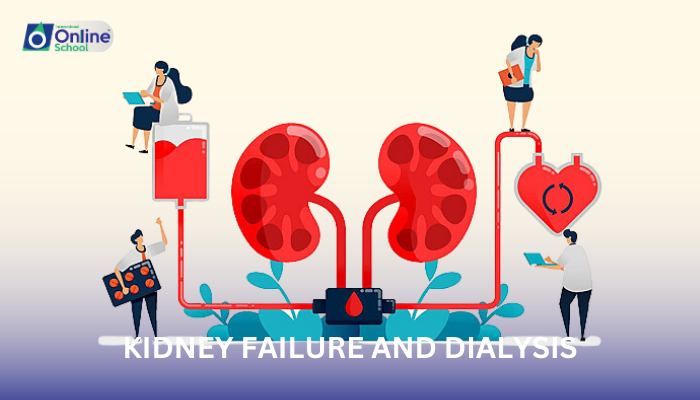
Learning Outcomes
i. Explain kidney failure and its common causes.
ii. Describe dialysis and its role as a treatment for kidney failure.
iii. Distinguish between the different types of dialysis and how they replace kidney function.
i. Causes of Kidney Failure:
Kidney failure, or renal failure, occurs when the kidneys lose the ability to filter waste from the blood sufficiently. Causes can include:
Chronic Diseases: Conditions such as diabetes and high blood pressure can damage the kidneys over time.
Acute Injury: Sudden injury to the kidneys, which may be due to trauma, infections, or toxic substances.
Genetic Disorders: Diseases like polycystic kidney disease.
Nephrotoxins: Certain medications and substances can cause toxic damage to kidney cells.
ii. Dialysis as a Treatment Option:
Dialysis is a medical procedure that cleanses the blood of waste products and excess fluids when the kidneys can no longer perform these functions.
Hemodialysis: In this most common form, blood is circulated through a machine with a special filter called a dialyzer or artificial kidney. The clean blood is then returned to the body. This typically takes place in a clinic or hospital three times a week.
Peritoneal Dialysis: This type involves instilling dialysis fluid into the abdominal cavity. The lining of the abdominal cavity (the peritoneum) acts as a natural filter. Waste products are transferred from the blood in the peritoneum to the dialysis fluid, which is then drained away.
iii. Mimicking Kidney Function
Waste Removal: Both types of dialysis remove waste products from the blood, such as urea, creatinine, and excess potassium.
Fluid Balance: Dialysis helps maintain the body's fluid balance by removing excess water, preventing complications such as edema and high blood pressure.
Electrolyte Management: It maintains proper electrolyte levels, critical for heart and muscle function.
iv. Living with Dialysis
Lifestyle Considerations: Patients undergoing dialysis often need to follow strict diets and fluid intake limits.
Regular Treatment: Hemodialysis requires regular visits to a dialysis center, while peritoneal dialysis is often done at home daily.
Transplantation: For some patients, kidney transplantation may be an option, offering a more permanent solution than dialysis.
In conclusion, kidney failure is a serious condition that can be life-threatening if not treated. Dialysis is a life-sustaining treatment that can mimic the filtering function of the kidneys, allowing individuals with kidney failure to live more normal lives. Understanding the principles and processes of dialysis is crucial for recognizing its role in managing kidney failure and its impact on patients' quality of life.
